Had I not known
that I was dead
already
I would have mourned
my loss of life.
Ota Dokan
1432-1486
Source
This translation comes from Japanese Death Poems: Written by Zen Monks and Haiku Poets on the Verge of Death.


May you find something to help you on your journey.

Had I not known
that I was dead
already
I would have mourned
my loss of life.
Ota Dokan
1432-1486
This translation comes from Japanese Death Poems: Written by Zen Monks and Haiku Poets on the Verge of Death.

Both the victor
and the vanquished are
but drops of dew,
but bolts of lightning –
thus should we view the world.
Ôuchi Yoshitaka
1507-1551
This translation comes from Japanese Death Poems: Written by Zen Monks and Haiku Poets on the Verge of Death.
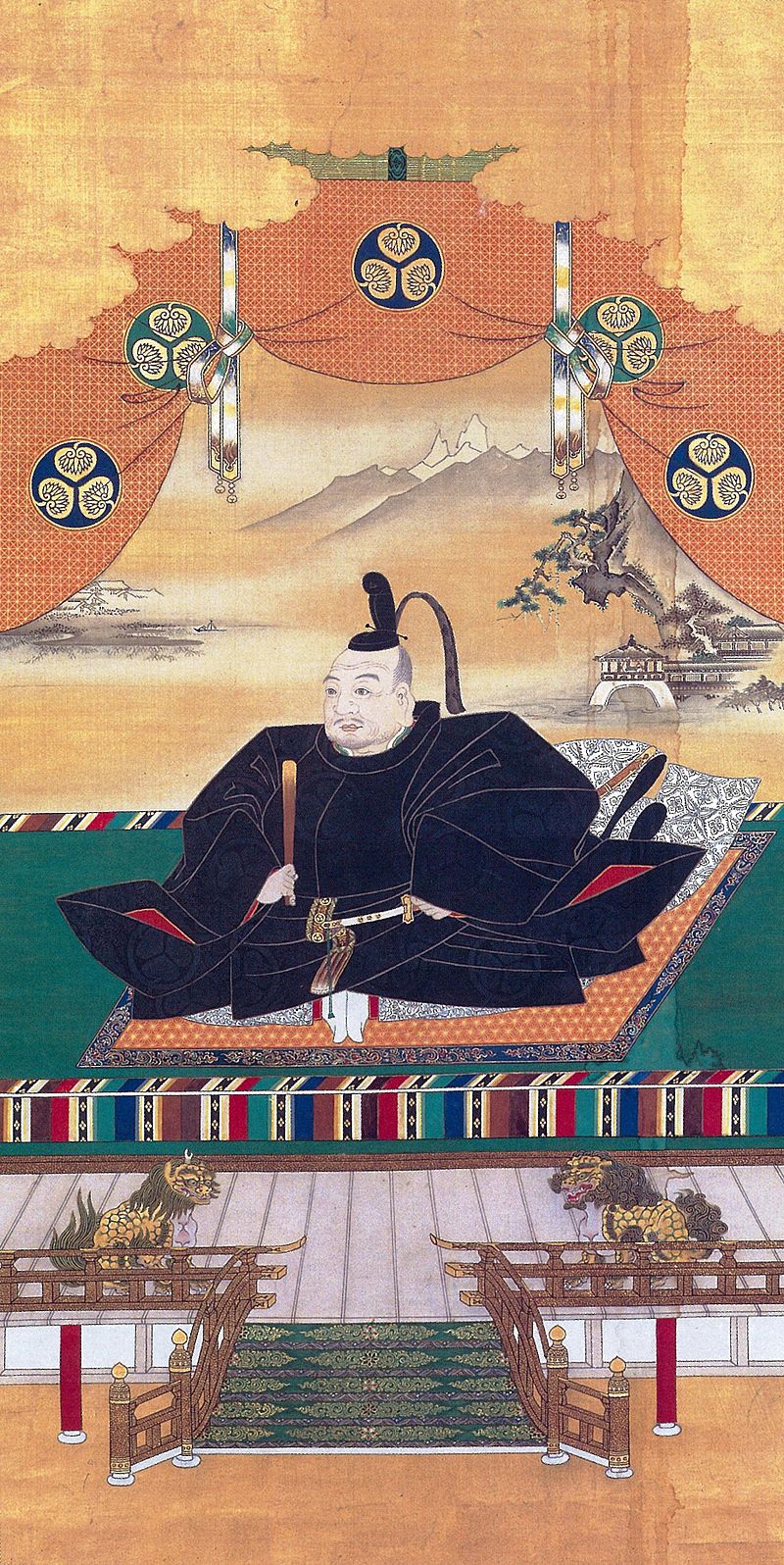
Whether one passes on or remains is all the same.
That you can take no one with you is the only difference.
Ah, how pleasant! Two awakenings and one sleep.
This dream of a fleeing world! The roseate hues of early dawn!
Tokugawa Ieyasu
1542-1616
This poem comes from the Samurai Archives.
Interested in Japanese death poems? You can find more in Japanese Death Poems: Written by Zen Monks and Haiku Poets on the Verge of Death.

Hafiz, Trans. Daniel Ladinsky
Hafiz,
Tonight as you sit with your
Young students
Who
Have eyes
Burning like coals for the truth,
Raise your glass in honour
Of The Old Great One from Asia.
Speak in the beautiful style
And precision wit of a
Japanese verse.
Say a profound truth about this path
With the edge of your sailor's tongue that
Has been honed on the finest sake.
Okay, dear ones, are you ready?
Are you braced?
Well then:
Who can hear the Buddha sing
If the dog between your legs is barking?
Who can hear the Buddha sing
If that canine between your
Thighs
Still
Wants to do circus
Tricks?
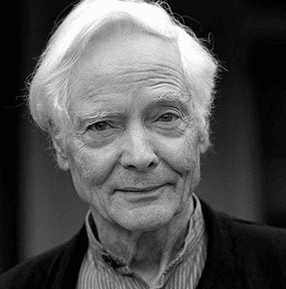
by W.S. Merwin
First forget what time it is
for an hour
do it regularly every day

then forget what day of the week it is
do this regularly for a week
then forget what country you are in
and practise doing it in company
for a week
then do them together
for a week
with as few breaks as possible

follow these by forgetting how to add
or to subtract
it makes no difference
you can change them around
after a week
both will help you later
to forget how to count

forget how to count
starting with your own age
starting with how to count backward
starting with even numbers
starting with Roman numerals
starting with fractions of Roman numerals
starting with the old calendar
going on to the old alphabet
going on to the alphabet
until everything is continuous again

go on to forgetting elements
starting with water
proceeding to earth
rising in fire

forget fire
Poetry Foundation: Poetry, May 1972
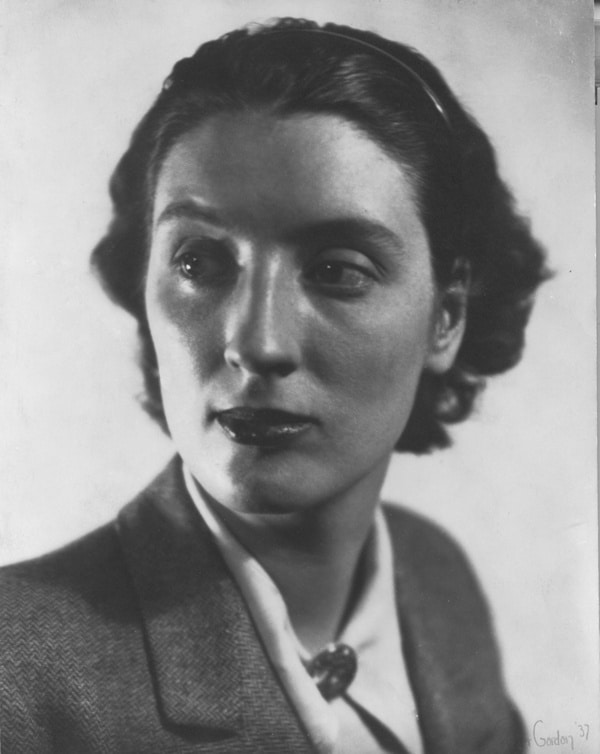
CANTICLE 6
by May Sarton
Alone one is never lonely: the spirit
              adventures, waking
In a quiet garden, in a cool house, abiding single there;
The spirit adventures in sleep, the sweet thirst-slaking
When only the moon’s reflection touches the wild hair.
There is no place more intimate than the spirit alone:
It finds a lovely certainty in the evening and the morning.
It is only where two have come together bone against bone
That those alonenesses take place, when, without warning
The sky opens over their heads to an infinite hole in space;
It is only turning at night to a lover that one learns
He is set apart like a star forever and that sleeping face
(For whom the heart has cried, for whom the frail hand burns)
Is swung out in the night alone, so luminous and still,
The waking spirit attends, the loving spirit gazes
Without communion, without touch, and comes to know at last
Out of a silence only and never when the body blazes
That love is present, that always burns alone, however steadfast.
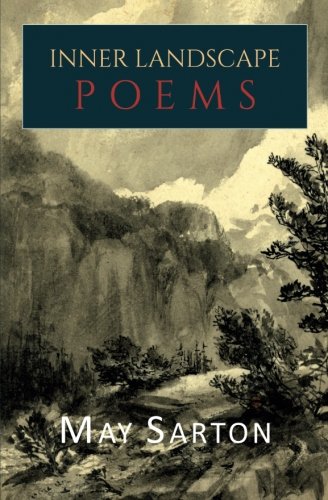
“Canticle 6” can be found in Inner Landscape.
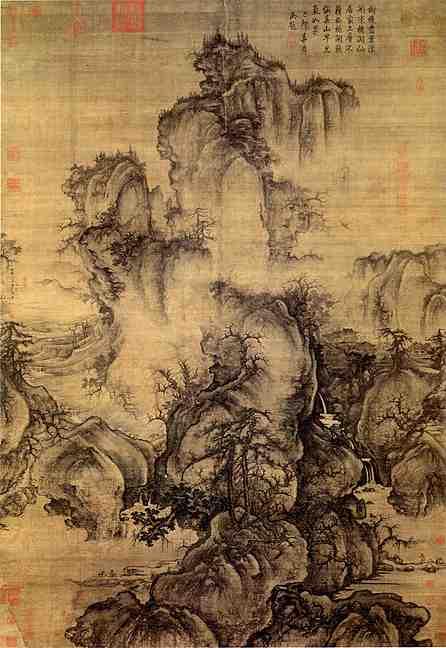
By Li Po, trans. Sam Hamill
The birds have vanished down the sky.
Now the last cloud drains away.
We sit together, the mountain and me,
until only the mountain remains.

By Charles Olson, from Maximus Poems
I have had to learn the simplest things
last. Which made for difficulties.
Even at sea I was slow, to get the hand out, or to cross
a wet deck.
The sea was not, finally, my trade.
But even my trade, at it, I stood estranged
from that which was most familiar. Was delayed,
and not content with the man’s argument
that such postponement
is now the nature of
obedience,
that we are all late
in a slow time,
that we grow up many
And the single
is not easily
known
It could be, though the sharpness (the achiote)
I note in others,
makes more sense
than my own distances. The agilities
they show daily
who do the world’s
businesses
And who do nature’s
as I have no sense
I have done either
I have made dialogues,
have discussed ancient texts,
have thrown what light I could, offered
what pleasures
doceat allows
But the known?
This, I have had to be given,
a life, love, and from one man
the world.
Tokens.
But sitting here
I look out as a wind
and water man, testing
And missing
some proof
I know the quarters
of the weather, where it comes from,
where it goes. But the stem of me,
this I took from their welcome,
or their rejection, of me
And my arrogance
was neither diminished
nor increased,
by the communication
2
It is undone business
I speak of, this morning,
with the sea
stretching out
from my feet

So live your life that the fear of death can never enter your heart.
Trouble no one about their religion;
respect others in their view,
and demand that they respect yours.
Love your life,
perfect your life,
beautify all things in your life.
Seek to make your life long and its purpose in the service of your people.
Prepare a noble death song for the day when you go over the great divide.
Always give a word or a sign of salute when meeting or passing a friend,
even a stranger, when in a lonely place.
Show respect to all people and grovel to none.
When you arise in the morning give thanks for the food and for the joy of living.
If you see no reason for giving thanks,
the fault lies only in yourself.
Abuse no one and no thing,
for abuse turns the wise ones to fools and robs the spirit of its vision.
When it comes your time to die,
be not like those whose hearts are filled with the fear of death,
so that when their time comes they weep and pray for a little more time to live their lives over again in a different way.
Sing your death song and die like a hero going home.
As quoted in A Sourcebook for Earth’s Community of Religions (1995) by Joel Diederik Beversluis; but also ascribed to some of the Wabasha chiefs, Sitting Bull, Crazy Horse and Wovoka, according to Ernest Thompson Seton, The Gospel of the Red Man: An Indian Bible
In a Dream I Trek the Ten Thousand Ravines in Thick Clouds Mountain Range in Winter
Lan Su Chinese Garden – Portland, Oregon
After Chia Tao
By Daniel Skach-Mills
Making my way along the frozen footpath,
meeting only juniper and pine,
who but my walking stick
knows how far I’ve come?
Walking alone
inspires new poems.
Fast-flying snow
makes the going hard.
Peering ahead,
life becomes an uphill climb of worry.
Looking back:
a slippery slope to regret.
Gazing up,
what light can this new moon shed
on how best to traverse
the rocky terrain of age?
When, I wonder,
did I last set foot
in far villages
of stars