J.S.Bach: F# Minor Toccata

This music weeps, not for sin
but rather for the black fact
that we must all die, but not one
of us knows what comes after.
This music leaps from key to key
as if it had no clear place to arrive,
making up its life, one bar at a time.
But when you come at last to the real theme,
strict, inexorable, and bleak,
you must play it slow and sad,
with melancholy dignity, or you miss
all its grim wisdom.
In three pages, it says, the universe collapses,
and you - still only halfway home.

Source

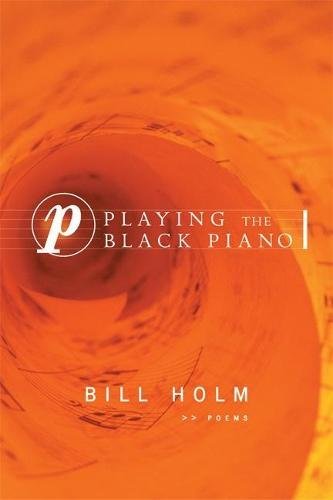
From Playing the Black Piano by Bill Holm.


A Man In His Life

A man doesn't have time in his life
to have time for everything.
He doesn't have seasons enough to have
a season for every purpose. Ecclesiastes
Was wrong about that.

A man needs to love and to hate at the same moment,
to laugh and cry with the same eyes,
with the same hands to throw stones and to gather them,
to make love in war and war in love.
And to hate and forgive and remember and forget,
to arrange and confuse, to eat and to digest
what history
takes years and years to do.

A man doesn't have time.
When he loses he seeks, when he finds
he forgets, when he forgets he loves, when he loves
he begins to forget.

And his soul is seasoned, his soul
is very professional.
Only his body remains forever
an amateur. It tries and it misses,
gets muddled, doesn't learn a thing,
drunk and blind in its pleasures
and its pains.

He will die as figs die in autumn,
Shriveled and full of himself and sweet,
the leaves growing dry on the ground,
the bare branches pointing to the place
where there's time for everything.

by Yehuda Amichai

More Poems by Yehuda


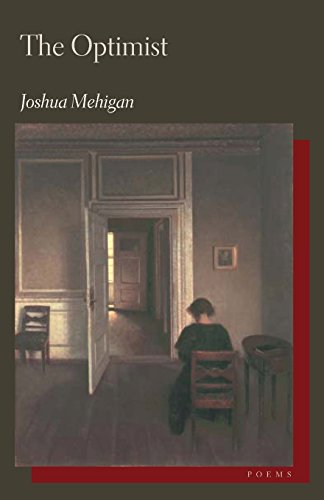
Believe It

Believe It

Hard to believe that, after all of it,
in bed for good now, knowing you haven’t done
one thing of any lasting benefit
or grasped how to be happy, or had fun,

you must surrender everything
into a new condition that is not
night, or a country, or sleep, or peace,
but nothing, ever, anymore, for you.

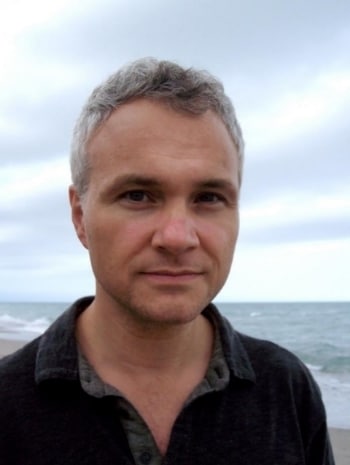
Joshua Mehigan

More Poems by Joshua


Berryman

I will tell you what he told me
in the years just after the war
as we then called
the second world war
 
don’t lose your arrogance yet he said
you can do that when you’re older
lose it too soon and you may
merely replace it with vanity
 
just one time he suggested
changing the usual order
of the same words in a line of verse
why point out a thing twice
 
he suggested I pray to the Muse
get down on my knees and pray
right there in the corner and he
said he meant it literally
 
it was in the days before the beard
and the drink but he was deep
in tides of his own through which he sailed
chin sideways and head tilted like a tacking sloop
 
he was far older than the dates allowed for
much older than I was he was in his thirties
he snapped down his nose with an accent
I think he had affected in England
 
as for publishing he advised me
to paper my wall with rejection slips
his lips and the bones of his long fingers trembled
with the vehemence of his views about poetry
 
he said the great presence
that permitted everything and transmuted it
in poetry was passion
passion was genius and he praised movement and invention
 
I had hardly begun to read
I asked how can you ever be sure
that what you write is really
any good at all and he said you can’t
 
you can’t you can never be sure
you die without knowing
whether anything you wrote was any good
if you have to be sure don’t write

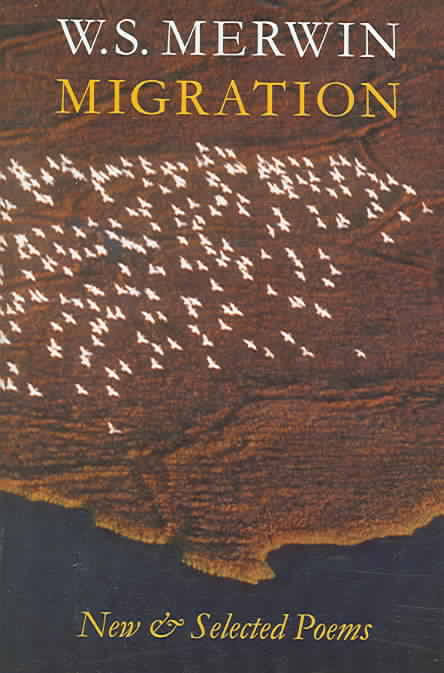
W.S. Merwin, from Migration.

Source


You Want a Social Life, With Friends

You want a social life, with friends.
A passionate love life and as well
To work hard every day. What’s true
Is of these three you may have two
And two can pay you dividends
But never may have three.

There isn’t time enough, my friends–
Though dawn begins, yet midnight ends–
To find the time to have love, work, and friends.
Michelangelo had feeling
For Vittoria and the Ceiling
But did he go to parties at day’s end?

Homer nightly went to banquets
Wrote all day but had no lockets
Bright with pictures of his Girl.
I know one who loves and parties
And has done so since his thirties
But writes hardly anything at all.

Kenneth Koch

More Poems by Kenneth


Advice

Someone dancing inside us
Learned only a few steps:
The “Do-Your-Work” in 4/4 time,
The “What-Do-You-Expect” waltz.
He hasn’t noticed yet the woman
Standing away from the lamp,
The one with black eyes
Who knows the rhumba,
And strange steps in jumpy rhythms
From the mountains in Bulgaria.
If they dance together,
Something unexpected will happen.
If they don’t, the next world
Will be a lot like this one.

Bill Holm

Source


i like my body when it is with your body

i like my body when it is with your
body. It is so quite new a thing.
Muscles better and nerves more.
i like your body. i like what it does,
i like its hows. i like to feel the spine
of your body and its bones,and the trembling
-firm-smooth ness and which i will
again and again and again
kiss, i like kissing this and that of you,
i like, slowly stroking the,shocking fuzz
of your electric furr,and what-is-it comes
over parting flesh….And eyes big love-crumbs,

and possibly i like the thrill

of under me you so quite new

ee cummings

Source


E. E. Cummings: Collected Poems, 1922-1938

By e.e. (1894-1962.) cummings


style

style is the answer to everything —
a fresh way to approach a dull or a
dangerous thing.
to do a dull thing with style
is preferable to doing a dangerous thing
without it.

Joan of Arc had style
John the Baptist
Christ
Socrates
Caesar,
Garcia Lorca.

style is the difference,
a way of doing,
a way of being done.

6 herons standing quietly in a pool of water
or you walking out of the bathroom naked
without seeing
me.

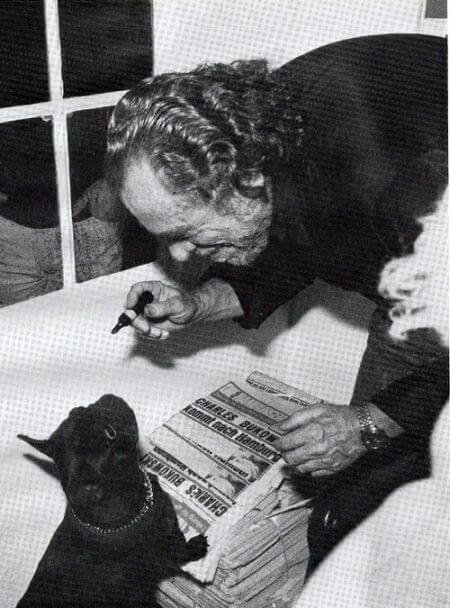
Charles Bukowski

Source


Essential Bukowski: Poetry

By Charles Bukowski


since feeling is first

since feeling is first
who pays any attention
to the syntax of things
will never wholly kiss you;

wholly to be a fool
while Spring is in the world

my blood approves,
and kisses are better fate
than wisdom
lady i swear by all flowers. Don’t cry
—the best gesture of my brain is less than
your eyelids’ flutter which says

we are for each other: then
laugh, leaning back in my arms
for life’s not a paragraph

And death i think is no parenthesis

ee cummings

Source


E. E. Cummings: Collected Poems, 1922-1938

By e.e. (1894-1962.) cummings